
Hey there, fellow business enthusiasts and conscious consumers! Have you ever paused to think about how much our buying habits have shifted lately? I know I have.
It feels like just yesterday ‘sustainability’ was a niche buzzword, but now, it’s absolutely everywhere – and for good reason! We’re living in a time where what a brand *stands for* matters just as much as what it sells.
I’ve personally seen businesses thrive when they genuinely listen to us, their customers, and integrate real environmental and social responsibility into their very core.
It’s not just about flashy eco-friendly claims anymore; we’re actively scrutinizing what’s behind the curtain, looking for true transparency and authentic action.
This profound shift towards consumer-centric management, deeply intertwined with powerful sustainability strategies, isn’t just a trend for 2024 or 2025 – it’s shaping the entire future of commerce.
From innovative tech solutions that track carbon footprints to brands building incredible loyalty by truly walking the talk on ESG principles, the landscape is buzzing with change.
This is a topic I’m incredibly passionate about, having followed its evolution closely, and I’ve got some fascinating insights to share about how companies are navigating this exciting, yet challenging, new era.
Get ready to uncover exactly how to put consumers first while building a truly sustainable future, because we’re diving deep into the details below!
Understanding the Modern Consumer: Beyond Price Tags

Hey, let’s be real for a moment. The days of simply offering a great product at a decent price and expecting customers to flock to you are, well, mostly behind us.
I’ve personally observed a monumental shift in what truly sways purchasing decisions. It’s not just about the tangible item anymore; it’s about the entire narrative, the journey, and the values woven into every thread of a brand’s existence.
What I’ve seen firsthand is that today’s consumers are incredibly savvy, armed with more information at their fingertips than ever before. They’re digging deeper, past the shiny advertisements, to understand the true impact of their purchases.
This isn’t just a fleeting trend; it’s a profound recalibration of priorities that brands absolutely must address. Think about it: when you’re making a choice between two similar products, don’t you find yourself leaning towards the one that aligns with your personal ethos, perhaps one that champions environmental protection or fair labor practices?
I know I certainly do. This conscious shift means businesses need to actively listen, truly understand, and then adapt their entire operational philosophy to resonate with these evolving values.
What Today’s Shoppers Truly Value
From my perspective, it’s clear that today’s shoppers are putting a premium on authenticity and social responsibility. They want to know the story behind the brand, how ingredients are sourced, where products are manufactured, and whether employees are treated equitably.
I’ve seen countless examples where brands that genuinely embrace these values, not just as marketing ploys but as foundational principles, cultivate an incredibly loyal customer base.
It’s no longer enough to just talk the talk; you absolutely have to walk the walk. Consumers are craving real connection and a sense of shared purpose, and they’re willing to invest their hard-earned money in brands that reflect their own moral compass.
The Demand for Transparency and Ethics
Honestly, I can’t stress this enough: transparency is king! In my experience, any hint of obfuscation or dishonesty can quickly erode trust, and once trust is lost, it’s incredibly difficult to regain.
People want clear, concise information about environmental impact, supply chain ethics, and corporate governance. They expect brands to be upfront about their challenges and their efforts to overcome them.
I’ve personally gravitated towards companies that openly share their sustainability reports or detail their ethical sourcing policies, even if it means acknowledging imperfections.
It builds a genuine sense of credibility that’s invaluable in today’s crowded marketplace.
Sustainability Isn’t a Niche Anymore: It’s the Core
I remember a time when “eco-friendly” was a small section in a grocery store, or a niche brand catering to a very specific demographic. Boy, have things changed!
It feels like just yesterday we were discussing whether sustainability was a passing fad, and now, it’s undeniably at the very heart of business strategy for any forward-thinking organization.
What I’ve personally witnessed is a transformation from sustainability being an add-on to becoming an intrinsic part of how companies operate, innovate, and even define their purpose.
It’s no longer about slapping a green label on a product and calling it a day; it’s about a fundamental re-evaluation of every single process, from raw material sourcing to end-of-life product management.
I’ve had so many conversations with business leaders who tell me their customers are actively demanding sustainable options, and if they don’t provide them, they simply lose out to competitors who do.
This shift isn’t just good for the planet; it’s proving to be incredibly good for business, driving innovation, attracting talent, and building robust brand equity that truly stands the test of time.
Integrating Eco-Consciousness into Every Layer
From what I’ve gathered and observed, the most successful companies aren’t just thinking about sustainability in their marketing department. They’re embedding it into their R&D, their manufacturing, their logistics, and even their HR policies.
It’s a holistic approach, a true commitment that permeates every single layer of the organization. I’ve seen businesses completely redesign their packaging to reduce plastic, optimize their delivery routes to cut down on emissions, and invest heavily in renewable energy for their facilities.
This deep integration isn’t easy, but the long-term benefits in terms of efficiency, reduced waste, and enhanced brand reputation are truly astounding.
It’s about building a sustainable business from the ground up, not just adding a green veneer.
The Shift from Compliance to Innovation
It’s been fascinating to watch the evolution from companies merely complying with environmental regulations to actively innovating in the sustainability space.
For so long, it felt like businesses were just checking boxes, doing the bare minimum. But now, the drive is towards genuine innovation – creating new materials, developing circular economy models, and pioneering technologies that actively solve environmental problems.
I’ve personally seen startups flourish by putting sustainability at their core, developing ingenious solutions that not only protect the planet but also create entirely new market opportunities.
This proactive, innovation-driven approach is truly exciting and signals a much brighter future.
The Power of Purpose-Driven Brands: Building Real Loyalty
If there’s one thing I’ve learned from years of watching brands connect (or fail to connect) with their audience, it’s that purpose matters more than ever.
It’s not just about what you sell, but *why* you sell it, and what impact you aim to have on the world. I’ve personally seen brands that genuinely stand for something beyond profit create an almost magnetic pull, drawing in customers who not only buy their products but become staunch advocates.
This isn’t about some vague mission statement; it’s about a deeply ingrained purpose that informs every decision, from product development to customer service.
When a brand clearly articulates its values – whether it’s fighting climate change, championing social equity, or supporting local communities – and then consistently acts on those values, it forms an unbreakable bond with consumers.
This loyalty isn’t easily swayed by competitors or price wars; it’s rooted in shared beliefs and a mutual desire to make a positive difference.
Connecting with Values: More Than Just a Sale
In my experience, when customers feel a genuine connection to a brand’s values, the transaction becomes so much more than just a sale. It transforms into an affirmation, a statement of their own beliefs.
I’ve personally found myself choosing brands that align with my commitment to ethical consumption, even if it means paying a little more. It’s not just about the product itself anymore; it’s about being part of something bigger.
Brands that successfully communicate their purpose and demonstrate their commitment to it are essentially inviting customers into a community, creating a sense of belonging that fosters incredible loyalty and engagement.
The Ripple Effect of Ethical Business
What I find truly inspiring is the ripple effect that ethical businesses can create. When a company commits to fair labor practices, sustainable sourcing, or community development, it doesn’t just benefit their bottom line; it positively impacts countless lives and ecosystems along its supply chain.
I’ve seen how brands’ ethical choices can uplift entire communities, empower marginalized groups, and even encourage other businesses to follow suit. It’s a powerful reminder that business can truly be a force for good, and consumers are increasingly eager to support those efforts, knowing their purchases contribute to a positive change in the world.
Tech for Good: Innovating Towards a Greener Future
Okay, let’s talk about something I’m incredibly enthusiastic about: how technology is stepping up to the plate in the sustainability game. For a long time, tech was seen by some as part of the problem – energy consumption, e-waste, you name it.
But what I’ve personally seen unfold in recent years is an incredible wave of innovation where technology is becoming a massive part of the solution. From cutting-edge software that tracks carbon footprints with astonishing precision to smart sensors optimizing energy use in buildings, it truly feels like we’re just scratching the surface of what’s possible.
I’ve been fascinated by how data analytics, AI, and blockchain are being leveraged to create unparalleled transparency in supply chains, making it easier for brands to verify ethical sourcing and for consumers to make informed choices.
This isn’t just about futuristic gadgets; it’s about practical, scalable solutions that are fundamentally changing how businesses operate and how we interact with the environment around us.
Tracing the Footprint: Supply Chain Transparency Tools
This is where technology really shines, in my opinion. I’ve heard countless stories from companies struggling to get a clear picture of their sprawling supply chains.
But now, with tools leveraging blockchain and advanced data analytics, it’s becoming possible to trace a product’s journey from raw material to consumer with unprecedented accuracy.
This isn’t just for show; it means brands can genuinely verify the ethical and sustainable practices of their suppliers, root out inefficiencies, and provide consumers with the detailed origin stories they crave.
It’s a game-changer for accountability and trust, something I personally value immensely.
Smart Solutions for Waste Reduction
Waste is a huge challenge, but technology is offering some brilliant answers. I’ve been following the development of smart waste management systems that use sensors to optimize collection routes, significantly reducing fuel consumption and emissions.
Beyond that, I’ve seen AI-powered systems in manufacturing that minimize material waste and innovative platforms connecting businesses with surplus materials for reuse.
It’s all about creating more circular economies, and technology is proving to be an indispensable tool in making that a reality.
Walking the Talk: Authentic ESG Practices in Action
You know, it’s one thing to say you’re committed to Environmental, Social, and Governance (ESG) principles, and it’s an entirely different thing to actually embody them.
What I’ve seen is that the brands that truly thrive in this new landscape are the ones that don’t just pay lip service to ESG but integrate it into their very DNA.
They understand that it’s not just a reporting requirement or a box to tick; it’s a fundamental shift in how they do business. I’ve personally watched companies transform their operations, often at significant initial cost, because they genuinely believe in the long-term value and ethical imperative of strong ESG performance.
This isn’t about PR stunts; it’s about measurable impact, verifiable data, and a deep-seated commitment to making a positive difference for people and the planet.
When a brand consistently demonstrates its commitment through tangible actions, that’s when real trust and respect are earned, both from customers and within the industry.
Beyond Buzzwords: Measurable Impact
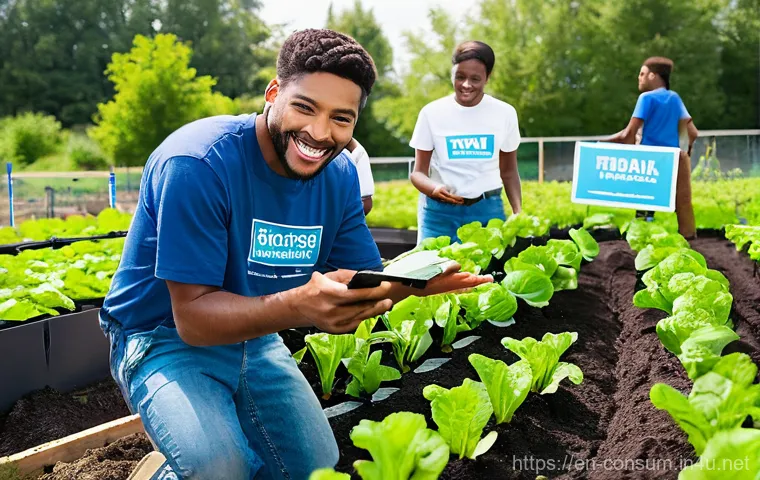
In my experience, consumers are increasingly wary of “greenwashing” – those superficial claims that don’t hold up under scrutiny. That’s why measurable impact is so crucial.
Brands that provide clear metrics on their carbon emissions reductions, water usage, waste diversion rates, or social investment outcomes are the ones that resonate most.
I’ve personally sought out brands that share their sustainability reports or use third-party certifications, because it tells me they’re serious and accountable.
It shows they’re moving beyond mere intention to actual, quantifiable results, and that’s a powerful testament to their commitment.
Employee Engagement in Sustainability Initiatives
What often gets overlooked, but is absolutely vital, is how employees are engaged in a company’s sustainability journey. I’ve seen firsthand how empowering employees to contribute ideas, participate in green initiatives, and become ambassadors for sustainability can create an incredibly strong internal culture.
When staff feel a sense of ownership and purpose in these efforts, it translates into greater efficiency, innovation, and overall job satisfaction. It’s not just about corporate policy; it’s about fostering a collective commitment from the ground up, and that always shines through.
The Bottom Line Benefits: How Sustainability Drives Growth
Let’s be honest, for many years, there was this misconception that being sustainable was purely an expense, a ‘nice-to-have’ that ate into profits. But having followed this space so closely, I can tell you unequivocally that couldn’t be further from the truth now.
What I’ve consistently observed is that integrating strong sustainability practices isn’t just about ethical responsibility; it’s a powerful driver of long-term business growth and financial success.
Companies that genuinely embrace ESG principles are often more resilient, more innovative, and ultimately, more profitable. I’ve seen firsthand how a commitment to sustainability can open new markets, attract premium customers, and even lead to significant operational efficiencies.
It’s a win-win scenario where doing good for the planet and society also means doing good for your business. The smart money is definitely flowing towards sustainable investments, and the market is rewarding brands that are leading the charge.
Attracting and Retaining Top Talent
This is huge, folks! In today’s competitive job market, I’ve noticed that top talent, especially younger generations, are actively seeking out employers with strong ethical and environmental commitments.
It’s no longer just about salary; it’s about working for a company whose values align with their own. I’ve talked to so many professionals who prioritize a company’s social and environmental impact when making career decisions.
Brands that can demonstrate a genuine commitment to sustainability don’t just attract these individuals; they retain them, fostering a highly motivated and loyal workforce.
Enhanced Brand Reputation and Market Share
Think about it: who do you trust more? A company known for its ethical practices and environmental care, or one plagued by controversies? The answer is obvious, right?
I’ve personally seen how a robust sustainability strategy can significantly enhance a brand’s reputation, building immense goodwill among consumers, investors, and the public.
This improved reputation directly translates into increased market share as more and more consumers consciously choose brands that align with their values.
It’s a powerful differentiator in a crowded marketplace.
Operational Efficiencies and Cost Savings
This is where the direct financial benefits often become most apparent. I’ve heard countless stories from businesses that, after implementing sustainability initiatives, discovered unexpected cost savings.
Reducing waste, optimizing energy consumption, streamlining supply chains, and adopting more efficient production methods often lead to significant reductions in operational expenses.
It’s not just about being green; it’s about being smarter and more efficient, something any business owner can appreciate.
| Benefit Category | Specific Advantage | Impact on Business |
|---|---|---|
| Financial Performance | Increased Revenue | Attracts new customer segments and fosters loyalty, potentially allowing for premium pricing. |
| Financial Performance | Cost Reduction | Optimizes resource use, minimizes waste, and lowers energy consumption. |
| Brand & Reputation | Enhanced Reputation | Builds trust and credibility among consumers, investors, and stakeholders. |
| Brand & Reputation | Customer Loyalty | Fosters strong emotional connections with purpose-driven consumers, reducing churn. |
| Talent Management | Attract & Retain Talent | Appeals to employees who prioritize ethical and sustainable workplaces. |
| Innovation | New Market Opportunities | Drives development of new sustainable products, services, and business models. |
| Risk Management | Reduced Regulatory Risk | Proactive compliance and ethical practices minimize legal and reputational risks. |
Crafting Your Brand’s Sustainable Story: Communication is Key
So, you’ve put in all this incredible work, integrating sustainability into your core, making real changes, and seeing tangible results. That’s amazing!
But here’s the thing: none of that impact truly resonates if you don’t tell your story effectively. From my years of watching how brands connect with their audiences, I can tell you that authentic communication is absolutely paramount.
It’s not enough to simply *be* sustainable; you have to articulate your journey, your challenges, and your triumphs in a way that truly engages and inspires your audience.
I’ve personally seen brands that do fantastic work but struggle to convey it, and consequently, miss out on the immense goodwill and market advantage that comes with being a truly purpose-driven leader.
This isn’t about boasting; it’s about educating, inviting participation, and building a community around shared values. Your sustainable story is a powerful asset, and knowing how to share it genuinely is just as important as the actions themselves.
Engaging Your Audience with Authenticity
I can’t emphasize this enough: authenticity is everything when it comes to communicating your sustainable story. Consumers are incredibly adept at spotting insincerity, and any hint of greenwashing can be incredibly damaging.
In my experience, the most successful brands are those that are open, honest, and even vulnerable about their sustainability journey. They share their successes, but also their struggles and their ongoing commitments to improvement.
This honesty builds incredible trust and makes their story relatable and genuinely inspiring, rather than just another corporate message.
Highlighting Your Impact, Not Just Your Intentions
It’s wonderful to have good intentions, but what really captures attention and builds credibility is demonstrating tangible impact. I’ve noticed that brands that share concrete data – how much waste they’ve diverted, how many trees they’ve planted, the real-world effect of their fair trade practices – are the ones that truly stand out.
It goes beyond saying “we care about the environment” to showing “here’s exactly what we’ve done and the difference it’s made.” This evidence-based storytelling is incredibly powerful and helps solidify your brand’s commitment in the minds of consumers.
Leveraging Digital Platforms for Storytelling
In this digital age, the opportunities to tell your sustainable story are endless, and I’ve seen brands use them to brilliant effect. From engaging blog posts and compelling video series on YouTube that showcase their supply chain, to interactive social media campaigns that invite customer participation, the digital landscape is fertile ground for connection.
I’ve personally found myself drawn to brands that use platforms like Instagram or TikTok to share behind-the-scenes glimpses of their sustainable practices, or that host live Q&A sessions about their environmental goals.
It creates a sense of immediacy and personal connection that traditional advertising simply can’t match, allowing your brand’s authentic voice to truly shine through.
Wrapping Things Up
So, as we wrap things up here, it’s pretty clear, isn’t it? The landscape of business and consumer expectations has fundamentally shifted. What I’ve personally observed, and what I hope this deep dive has shown you, is that brands aren’t just selling products or services anymore; they’re selling values, connections, and a genuine commitment to making a positive impact on the world. It’s truly inspiring to witness this evolution, and honestly, if you’re not authentically engaged in this conversation, you’re missing out on a massive opportunity to build something truly meaningful, enduring, and profitable with your audience. This isn’t a fleeting trend; it’s the new baseline for success.
Handy Tips You Might Appreciate
1. Start small, but start now, with sustainability. You don’t need a massive, budget-breaking overhaul overnight to begin making a difference. Begin with manageable steps like actively reducing waste in your operations, consciously opting for suppliers who use recycled or sustainably sourced packaging, or engaging with local, ethically-minded businesses for your needs. These incremental changes build crucial momentum, demonstrate a consistent, genuine commitment to your audience, and often uncover unexpected efficiencies along the way. It’s about progress, not perfection.
2. Truly listen to your customers. Their values are evolving faster than ever, and believe me, they are incredibly vocal about what matters to them. Pay very close attention to the feedback you receive across all channels—social media comments, direct messages, customer service interactions, and even formal surveys. Understanding their priorities allows you to tailor your purpose-driven initiatives and communications to truly resonate, making them feel heard and valued. It’s a two-way conversation that builds unwavering loyalty.
3. Embrace transparency wholeheartedly, as it’s the bedrock of trust. In today’s hyper-connected world, any hint of obfuscation can quickly erode credibility. Be openly honest about your sustainability journey, including both your successes and the challenges you’re actively working to overcome. Sharing details about your supply chain, your environmental impact reports, or your ethical sourcing policies creates a much stronger bond than vague, overly-polished claims. Authenticity, even with its imperfections, truly shines through and fosters a deeper connection with your community.
4. Empower your entire team to be part of the solution. Your employees are, without a doubt, your greatest advocates and an incredible source of innovative ideas. Actively involve them in your sustainability initiatives, seek their input, and provide ample opportunities for them to contribute to your brand’s purpose. When your staff feels a genuine sense of ownership and purpose in these efforts, it translates directly into greater efficiency, stronger innovation, and overall enhanced job satisfaction. A collective commitment from within always amplifies your brand’s message and impact.
5. Focus on measuring your impact, not just your intentions. While good intentions are a wonderful starting point, what truly captures attention and builds long-term credibility is demonstrating tangible, verifiable results. I’ve noticed that brands providing clear, concrete metrics—like specific percentages of carbon emissions reductions, precise figures for waste diverted from landfills, or the real-world impact of their fair trade practices—are the ones that genuinely stand out. This evidence-based storytelling goes beyond simple assertions; it shows “here’s exactly what we’ve done and the positive difference it’s making,” offering powerful validation of your brand’s commitment.
Key Takeaways to Remember
In a nutshell, my friends, the future belongs to brands that lead with authentic purpose and deeply integrate genuine Environmental, Social, and Governance (ESG) practices into every facet of their operation. Modern consumers are incredibly savvy, powerfully values-driven, and actively searching for authentic connections with the brands they choose to support. By wholeheartedly embracing transparency, fostering continuous innovation, and demonstrating an unwavering commitment to making a positive impact, businesses can not only effortlessly meet these evolving demands but also unlock unprecedented avenues for growth and cultivate truly unwavering customer loyalty. It’s an exciting time to be building a brand that truly matters.
Frequently Asked Questions (FAQ) 📖
Q: Okay, I totally get that both sustainability and putting customers first are critical now. But how can my business actually start blending these two, especially if we’re just beginning this journey?
A: That’s a fantastic question, and honestly, it’s where many businesses get a little stuck. From my experience, the best way to kick things off is to really listen.
Start by gathering feedback directly from your customers about what environmental and social issues matter most to them regarding your products or services.
You might be surprised by what you hear! Then, pick one or two areas where you can make a genuine, measurable impact that aligns with that feedback. Maybe it’s sourcing sustainable packaging, reducing waste in your operations, or supporting a local community initiative.
Transparency is your best friend here – don’t try to be perfect overnight. Communicate your journey openly, share your goals, your progress, and even your setbacks.
I’ve seen firsthand how consumers appreciate honesty far more than a facade of instant eco-perfection. It’s like a friendship; trust is built through genuine effort and open conversation, not by pretending you’ve got it all figured out on day one.
Remember, even small, consistent steps can lead to huge transformations in both your brand’s impact and customer loyalty.
Q: This sounds like a lot of work and potentially a big investment. What’s the real payoff for businesses that genuinely embrace consumer-centric sustainability? Is it just about good PR?
A: I hear you loud and clear! It definitely requires effort and a thoughtful approach, but trust me, the payoff goes way beyond just good PR. While positive public perception is certainly a benefit, the real magic happens in building deeply engaged customer loyalty.
When consumers see a brand genuinely committed to values they share, they don’t just buy your product once; they become advocates. They stick with you through thick and thin, and that translates directly into repeat purchases and invaluable word-of-mouth marketing.
Beyond that, I’ve seen companies unlock incredible innovation by focusing on sustainability – think about new, more efficient processes or even entirely new product lines that meet evolving consumer demands.
It can also attract top talent who want to work for a purpose-driven organization, leading to a more motivated and productive workforce. Plus, being proactive about environmental and social responsibilities often means you’re mitigating future risks, like regulatory changes or supply chain disruptions.
It’s not just an expense; it’s an investment in a more resilient, reputable, and ultimately, more profitable future.
Q: As a consumer, I really want to support ethical brands, but honestly, it feels overwhelming sometimes. How can I tell who’s really walking the talk and not just “greenwashing” their image?
A: Oh, I completely understand that feeling! It’s so frustrating to want to do good but then worry if you’re being misled. From my perspective, the key is to become a bit of a detective.
First, look beyond the flashy claims and seek out third-party certifications – things like Fair Trade, B Corp, or USDA Organic. These independent certifications mean a brand has met specific, verifiable standards.
Second, true transparency is a huge tell. Does the company openly share details about its supply chain, its manufacturing processes, and its impact reports?
If they’re vague or hard to find, that’s a red flag. Third, check for consistency. Does their commitment to sustainability show up across all their products and practices, or is it just one “eco-friendly” line buried among everything else?
Finally, listen to what others are saying – consumer reviews, independent articles, and even watchdog groups can offer invaluable insights. It’s like dating; you’re looking for actions that match the words, a genuine commitment, not just a slick profile picture.
It takes a little extra digging, but supporting brands that truly walk their talk feels incredibly rewarding, and it sends a powerful message that genuine effort matters.