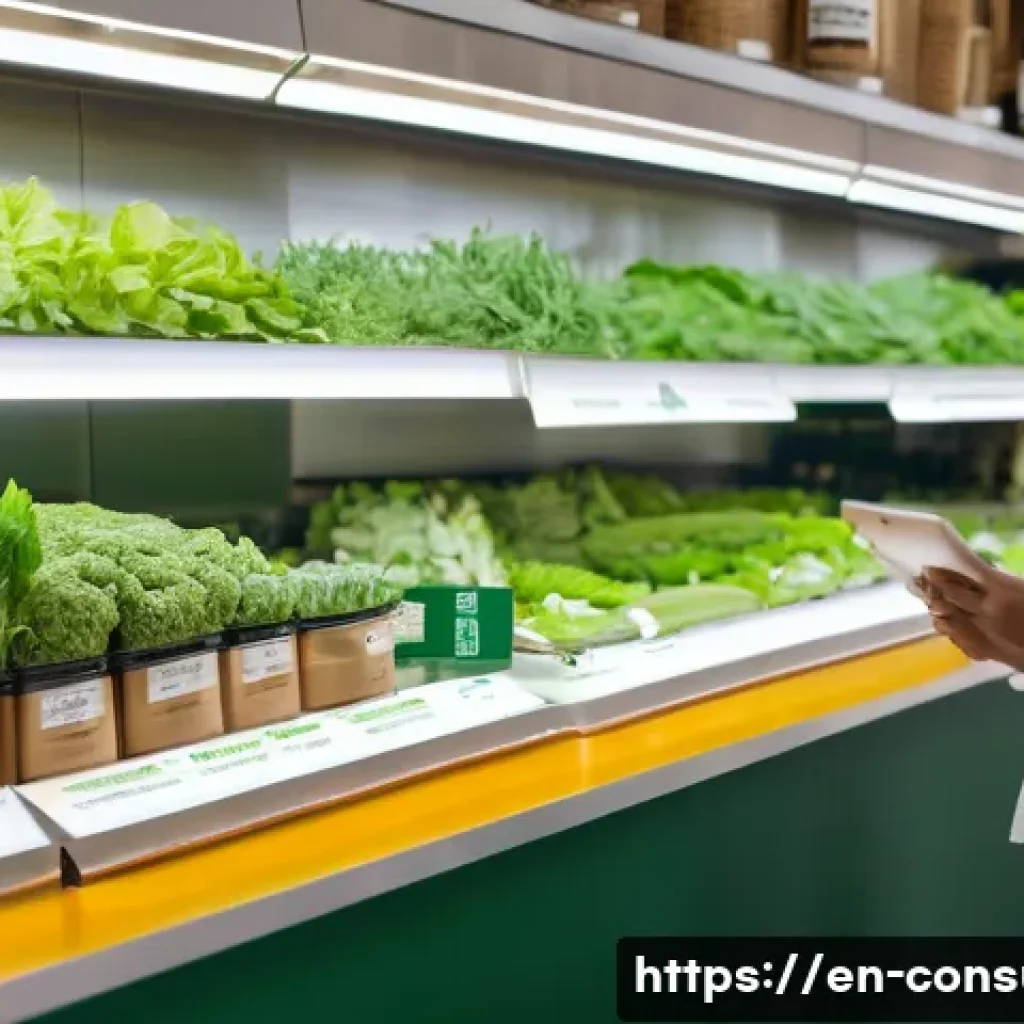
Understanding consumer behavior is more crucial than ever as companies strive to innovate sustainably in today’s fast-evolving market. By analyzing real-world purchasing patterns and preferences, businesses can craft strategies that not only reduce environmental impact but also resonate deeply with their audience.

This approach bridges the gap between profitability and responsibility, ensuring long-term success. From eco-friendly product design to transparent marketing, the insights drawn from consumer data pave the way for meaningful change.
Let’s dive into the details and explore how these strategies come to life!
Decoding Consumer Preferences to Drive Sustainable Innovation
Identifying Key Purchase Drivers in Eco-Friendly Markets
Understanding what motivates consumers to choose sustainable products is a game-changer. From my experience working with brands targeting eco-conscious shoppers, factors like product origin, material transparency, and ethical certifications weigh heavily in decision-making.
People don’t just buy green products because they’re green; they seek authenticity and tangible proof that their purchase supports broader environmental goals.
Diving into purchase data reveals patterns such as a spike in demand for biodegradable packaging or locally sourced goods, which signals a shift beyond mere trendiness toward genuine values alignment.
Segmenting Consumers Based on Environmental Engagement
Not all consumers are created equal when it comes to sustainability. By analyzing behavioral data, companies can segment their audience into groups like “Eco-Activists,” “Pragmatic Green Buyers,” and “Casual Adopters.” For example, Eco-Activists tend to seek out brands with rigorous sustainability reports and often pay premium prices, while Pragmatic Buyers might prioritize price but still prefer greener options when available.
Recognizing these nuances allows marketers to tailor messaging and product offerings with precision. I’ve noticed that campaigns resonate far better when they speak directly to the unique motivations of these segments rather than using a one-size-fits-all approach.
Leveraging Real-Time Data to Adapt Product Offerings
Real-time analytics are invaluable for staying ahead in sustainable innovation. By continuously monitoring how consumers respond to new eco-friendly features—like refillable packaging or carbon-neutral shipping—companies can pivot quickly.
I’ve seen brands tweak formulations or introduce limited-edition products based on immediate feedback, which not only boosts sales but also builds trust.
This agility makes sustainability feel less like a static goal and more like an ongoing conversation with consumers, fostering deeper loyalty over time.
Crafting Transparent Communication That Builds Trust
Authenticity in Sustainability Claims
Consumers are increasingly skeptical of vague green marketing, often dubbed “greenwashing.” Transparency is paramount. Sharing detailed information about sourcing, manufacturing processes, and carbon footprint assessments helps brands stand out.
In my personal observations, brands that openly discuss both their achievements and challenges in sustainability earn far more goodwill. It’s refreshing to see companies admit where they’re still improving, which feels honest and relatable rather than polished and distant.
Using Storytelling to Connect Emotionally
Numbers and data alone don’t always move people. Storytelling that humanizes sustainable efforts can be remarkably effective. For instance, telling the story of artisans crafting products with sustainable methods or communities benefiting from fair trade practices brings a relatable dimension.
When I incorporate storytelling in marketing strategies, it not only informs but also inspires action, making sustainability feel accessible and impactful for everyday consumers.
Interactive Platforms to Foster Consumer Engagement
Creating digital spaces where consumers can ask questions, share experiences, or track the environmental impact of their purchases encourages deeper engagement.
I’ve noticed that brands with dedicated apps or social media campaigns featuring sustainability challenges or rewards tend to see higher repeat purchases.
These platforms transform passive buyers into active participants in a brand’s sustainability journey, creating a sense of community and shared purpose.
Innovative Product Design Rooted in Consumer Insights
Designing for Circularity Based on User Behavior
Consumer behavior data sheds light on how products are used, discarded, or recycled, informing circular design principles. For example, if data shows consumers struggle with product disassembly for recycling, designers can simplify components or use materials that are easier to process.
From my involvement in product development, integrating user feedback early on minimizes waste and extends product life cycles, which is a win-win for sustainability and customer satisfaction.
Balancing Performance and Sustainability
One challenge brands face is ensuring sustainable products don’t compromise on quality or convenience. Consumers expect green products to perform as well—or better—than traditional alternatives.
Analyzing return rates, customer reviews, and usage patterns helps identify pain points. I’ve seen brands reformulate products to enhance durability or ease of use, which not only reduces environmental impact but also elevates the overall customer experience.
Customization and Personalization for Reduced Waste
Personalization based on consumer data can reduce overproduction and waste. Offering customizable options, like refill sizes or modular components, aligns with individual preferences and usage habits.
In practice, this means fewer unsold products and less packaging waste. From my observations, consumers appreciate the ability to tailor products, which creates a stronger emotional connection and encourages responsible consumption.
Strategic Pricing and Incentives to Promote Sustainable Choices
Using Data to Understand Price Sensitivity
Price often remains a major barrier to sustainable product adoption. By analyzing purchase history and competitor pricing, companies can identify the optimal price points that balance affordability with premium positioning.
For instance, I’ve found that slight price adjustments or bundling eco-friendly products with popular items can significantly boost uptake without eroding margins.
Incentivizing Repeat Purchases through Rewards
Loyalty programs targeting sustainable behaviors—such as discounts for product returns or points for purchasing green products—can encourage repeat business.
I’ve seen this work well when rewards are meaningful and easy to redeem. Consumers feel valued and motivated to continue making eco-friendly choices, which helps brands build long-term relationships while advancing sustainability goals.
Promoting Trade-Ins and Upcycling Initiatives
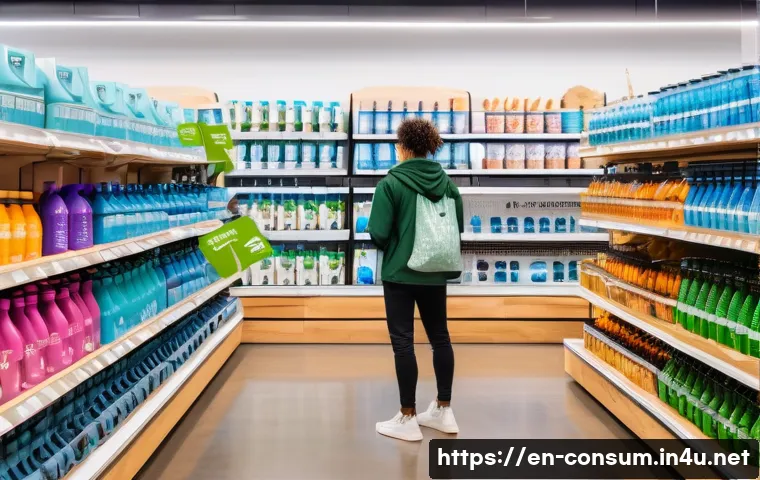
Programs that encourage customers to trade in old products for discounts on sustainable replacements reduce waste and foster circular economies. Analyzing participation rates and feedback helps refine these initiatives.
Personally, I’ve noticed that transparent communication about the environmental benefits of trade-ins increases engagement, making consumers feel part of a larger positive impact.
Harnessing Digital Tools to Track and Enhance Sustainability Efforts
Implementing Advanced Analytics for Behavior Prediction
Predictive analytics can forecast consumer demand shifts toward sustainable products, enabling proactive inventory and marketing management. Drawing from case studies, I’ve seen brands reduce waste and optimize supply chains by anticipating trends like rising interest in plant-based goods or reusable packaging.
This forward-looking approach helps maintain competitiveness while minimizing environmental footprint.
Integrating IoT for Real-Time Sustainability Monitoring
Internet of Things (IoT) devices embedded in products or packaging provide real-time data on usage and environmental impact. For example, smart packaging that tracks recycling status or product freshness can encourage responsible disposal.
From my experience, consumers appreciate the convenience and transparency such technology offers, reinforcing brand credibility and driving sustainable behavior.
Utilizing Consumer Feedback Loops to Refine Strategies
Continuous feedback mechanisms through surveys, reviews, and social media monitoring help brands adjust sustainability efforts dynamically. I’ve found that companies who actively listen and respond to consumer concerns build stronger trust and improve product acceptance.
This iterative process ensures that sustainability initiatives remain relevant and impactful over time.
Mapping Consumer Behavior Trends to Optimize Marketing Channels
Identifying Preferred Channels for Sustainability Messaging
Analyzing where consumers engage most with green content—whether social media, email, or in-store displays—allows brands to allocate resources effectively.
For example, younger audiences might respond better to Instagram campaigns highlighting sustainable lifestyles, while older demographics prefer detailed newsletters.
I’ve noticed that tailoring channel strategies based on behavior data significantly increases message reach and impact.
Timing Campaigns to Align with Consumer Mindsets
Seasonality and cultural events influence sustainability interest. Leveraging data to time campaigns around Earth Day, holiday seasons, or product launches maximizes engagement.
My experience shows that well-timed messaging not only boosts sales but also reinforces the brand’s commitment to sustainability when consumers are most receptive.
Personalizing Content to Reflect Consumer Values
Behavioral insights enable personalized marketing that resonates emotionally. For example, a consumer who frequently purchases cruelty-free products might receive content focused on animal welfare initiatives.
Personalization increases relevance and fosters a deeper connection, leading to higher conversion rates and brand loyalty, as I have witnessed firsthand.
Comparative Overview of Consumer Segments and Their Sustainability Preferences
| Consumer Segment | Primary Motivation | Preferred Product Attributes | Typical Price Sensitivity | Engagement Channels |
|---|---|---|---|---|
| Eco-Activists | Environmental impact and ethics | Certified organic, fair trade, zero waste | Low sensitivity; willing to pay premium | Social media, sustainability blogs, community events |
| Pragmatic Green Buyers | Balance between price and sustainability | Eco-friendly packaging, energy efficiency | Moderate sensitivity; looks for deals | Email newsletters, retail promotions, product reviews |
| Casual Adopters | Convenience and trending products | Simple eco-labels, reusable features | High sensitivity; seeks affordability | Mass media, influencer endorsements, in-store displays |
In Conclusion
Understanding consumer preferences is essential to driving meaningful and lasting sustainable innovation. By listening closely to different audience segments and leveraging real-time data, brands can create authentic, high-impact products and communications. This approach not only meets consumer expectations but also fosters trust and long-term loyalty. Sustainability becomes a shared journey rather than a static goal.
Useful Information to Keep in Mind
1. Consumers value transparency and authenticity more than just green labels, so detailed sustainability information builds trust.
2. Segmenting audiences by their environmental engagement helps tailor marketing strategies that truly resonate.
3. Real-time feedback and data analytics enable brands to adapt quickly and stay relevant in fast-changing markets.
4. Personalization and interactive platforms increase consumer involvement and encourage responsible purchasing habits.
5. Strategic pricing and rewards can lower barriers to entry and promote repeat sustainable choices effectively.
Key Takeaways
To succeed in sustainable innovation, brands must combine deep consumer insights with transparent communication and agile product development. Recognizing diverse consumer motivations allows for targeted marketing that feels genuine and engaging. Leveraging digital tools and data ensures timely adjustments that keep sustainability efforts impactful. Ultimately, fostering a collaborative relationship with consumers transforms sustainability from a marketing claim into a meaningful lifestyle choice.
Frequently Asked Questions (FAQ) 📖
Q: How can understanding consumer behavior help companies innovate sustainably?
A: Understanding consumer behavior allows companies to identify what drives their customers’ purchasing decisions, especially regarding eco-friendly products.
By analyzing preferences and buying patterns, businesses can develop products and services that meet both environmental standards and consumer expectations.
This insight helps create innovations that reduce waste and resource consumption while still appealing to the market, ultimately making sustainability a profitable and practical goal rather than a costly obligation.
Q: What role does transparent marketing play in aligning with consumer values?
A: Transparent marketing builds trust by openly sharing a company’s sustainability efforts, product sourcing, and environmental impact. When consumers feel informed and confident about a brand’s commitment to responsibility, they are more likely to support it.
In my experience, clear and honest communication not only strengthens customer loyalty but also differentiates a brand in a crowded market, encouraging repeat purchases and positive word-of-mouth that drive long-term success.
Q: How do eco-friendly product designs influence consumer purchasing patterns?
A: Eco-friendly designs often attract consumers who prioritize sustainability, but their influence goes beyond just that niche. Products that use recycled materials, reduce packaging, or improve energy efficiency can appeal to a broader audience by offering added value like durability or cost savings over time.
From what I’ve observed, consumers appreciate when these benefits are highlighted, as it makes the decision to buy greener options easier and more rewarding, leading to a gradual shift in overall market demand toward sustainable goods.